2026 Top Zipper Pouch Types for Global Buyers?
Global buyers need more than attractive packaging in 2026. They need reliable performance, clear specifications, and responsible sourcing. This guide examines the leading Zipper Pouch types for food, cosmetics, household products, travel items, and retail goods. Each type offers different strengths in protection, appearance, filling efficiency, and customer convenience.
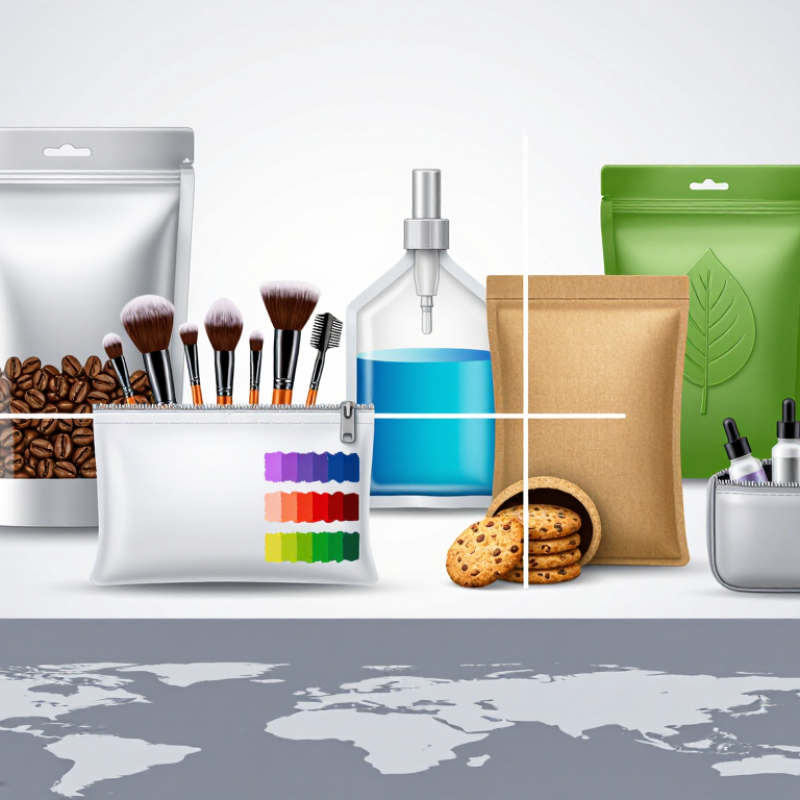
Stand-up pouches remain practical for shelves and online fulfillment. Flat pouches suit samples, documents, and lightweight accessories. Spouted pouches support controlled pouring for suitable liquid products. Recyclable mono-material options are gaining attention, although local recycling systems may limit their real benefits. Kraft-look designs create a natural impression, but appearance alone does not prove sustainability.
Small details matter. A pouch holding coffee may need strong seals and odor protection. A cosmetic pouch may require smooth printing and accurate color control. A travel pouch should tolerate repeated opening, bending, and compact storage. Buyers should request samples, zipper cycle tests, seal strength results, material declarations, and production photos before placing large orders.
Not every popular design fits every market. Some samples perform well in demonstrations but fail during long-distance shipping. Others look premium but offer weak moisture resistance. That is where careful comparison becomes essential. Supplier experience, factory quality systems, transparent communication, and documented testing can reduce avoidable risks. Requirements also vary by destination, product category, and packaging rules, so professional review remains important.
This article compares the 2026 options with practical judgment. The ranking is not universal. It should be adjusted after testing real products, reviewing supplier evidence, and listening to end customers. Small assumptions can become expensive mistakes.
What Is a Zipper Pouch and Why Does Its Type Matter?
A zipper pouch is a flexible package with an integrated resealable closure. It usually combines plastic films, laminated barriers, and a press-to-close track. The type matters because product protection, shelf presentation, filling speed, and shipping efficiency change with its structure.
Flat zipper pouches suit powders, stationery, and small accessories. They use less material and stack neatly.
Stand-up pouches offer better visibility and shelf presence. Their bottom gusset also improves stability after filling.
Retort pouches withstand heat processing, while high-barrier versions help protect sensitive contents from oxygen, moisture, and light.
According to the Flexible Packaging Association’s 2023 industry report, flexible packaging generated approximately 39.5 billion dollars in United States sales in 2022. This scale shows why small design choices have significant commercial effects.
Material selection should follow the product, not fashion. A moisture-sensitive powder may need a stronger barrier film and reliable seal testing. A dry snack may need puncture resistance and a wider zipper.
The Global Packaging Trends report from the World Packaging Organisation identifies convenience and resource efficiency as continuing packaging priorities.
Still, lighter packaging is not automatically better. Weak seals can create waste, returns, and damaged goods. That assumption needs testing.
Buyers should request migration documentation, zipper-cycle checks, drop tests, and seal-strength results before approving production. Pouch type is only one variable; film structure, closure quality, filling equipment, and transport conditions can matter just as much.
How Are Zipper Pouches Classified by Structure and Opening Design?
2026 Top Zipper Pouch Types for Global Buyers
Zipper pouches are classified by both structure and opening design. Flat pouches use three sealed edges and a top zipper. They suit powders, snacks, and small accessories. Stand-up pouches add a bottom gusset, creating shelf stability and stronger product visibility. Flat-bottom and quad-seal pouches offer a more defined base. They work better for heavier contents and retail displays.
Opening design changes user experience. A press-to-close zipper is economical and suitable for frequent opening. A slider zipper offers faster handling, especially when users wear gloves. Some pouches combine zippers with spouts, supporting controlled pouring for liquids or semi-liquid products. According to the Flexible Packaging Association’s 2024 State of the Flexible Packaging Industry report, the United States flexible packaging market reached about 42.9 billion dollars in 2023. This scale reflects strong demand, but pouch selection still depends on product weight, moisture, filling speed, and transport conditions. A popular format is not always the correct one.
Tips: Test the filled pouch, not an empty sample. Check zipper alignment, seal strength, opening force, and leakage after transport simulation. Smithers’ flexible packaging outlook also highlights downgauging and recyclability as major development directions. However, thinner film can reduce puncture resistance. That trade-off deserves a real test. Buyers should request material specifications, barrier data, and third-party quality records before approval.
Which Zipper Pouch Materials Suit Different Global Market Needs?
For global buyers, zipper pouch material should follow climate, logistics, and product sensitivity. Grand View Research valued the global flexible packaging market at approximately US$201.2 billion in 2023. This scale reflects strong demand, but not one universal material choice.
Polyethylene pouches offer practical moisture resistance and reliable heat sealing. They suit dry foods, household items, and humid distribution routes. Polypropylene can provide better stiffness and clarity, especially for visible contents. For oxygen-sensitive products, PET/PE or foil laminates create stronger barrier protection. Barrier matters. However, multilayer structures can be difficult to recycle, depending on local collection and sorting systems.
Mono-material PE structures are gaining attention because they may simplify recycling in compatible markets. Smithers’ flexible packaging outlook identifies recyclability, downgauging, and resource efficiency as major industry directions. The Flexible Packaging Association reported US flexible packaging sales of about US$39.9 billion in 2023, showing the importance of regional supply chains and conversion capacity. Buyers should request actual oxygen, moisture, seal-strength, and drop-test results, not only marketing claims.
A transparent pouch may look attractive, yet sunlight can damage sensitive contents. Foil improves protection, but raises material complexity. The trade-off is uncomfortable. Regional recycling rules, filling temperatures, and warehouse humidity can change the right specification. A pouch that performs well in Europe may require adjustment for tropical transport. We should not pretend that “recyclable” automatically means widely recycled.
How Do Buyers Compare Zipper Pouches by Use, Size, and Features?
Global buyers compare zipper pouches by their intended use before reviewing appearance. A snack pouch needs a stable base, a reliable zipper, and enough width for easy filling. A travel pouch may need a flat profile, clear windows, or separate compartments. For powders, dry goods, or small accessories, buyers often check barrier performance and inner cleanliness. Our first sample was too narrow for a filling line. It looked neat, but workers needed extra time to load it. That mistake showed why real handling matters more than a product photo.
Size comparison should include length, width, gusset depth, and usable capacity. A stated volume can be misleading when the pouch cannot stand or open fully. Buyers should request filled samples and test the zipper repeatedly. Features also change the buying decision. Tear notches support quick opening, while rounded corners improve handling. A hang hole suits retail displays, but it may weaken the upper area if poorly positioned. Reclosable zippers are useful, though some feel stiff in cold warehouses. Material thickness, seal width, surface finish, and print quality deserve equal attention. We once preferred a thicker film, then found it created sharper folds during packing. More material was not automatically better. Supplier measurements, sample records, and production feedback create a more reliable comparison than attractive specifications alone.
What Quality, Compliance, and Sourcing Factors Should Global Buyers Check?
For global buyers, zipper pouches should match product risk, filling speed, and disposal conditions. Stand-up pouches suit dry foods and household powders. Flat pouches save space for samples and lightweight goods. Spouted versions support liquids, but their fitments need stronger seal testing. According to Smithers’ flexible-packaging outlook, barrier performance, material reduction, and recyclable structures remain major market priorities. A thinner pouch is not automatically better. It may wrinkle, puncture, or lose seal strength during transport.
Quality checks should include seal integrity, zipper alignment, drop resistance, odor, ink adhesion, and oxygen or moisture transmission. Ask suppliers for batch records and test results, not only attractive samples. For food contact, verify migration testing and good manufacturing practice under applicable requirements, such as EU food-contact rules or FDA requirements. The EU Packaging and Packaging Waste Regulation also increases pressure for recyclable packaging designs. Requirements may differ by destination.
Sourcing teams should inspect the factory, confirm resin and adhesive traceability, and approve a signed specification. OECD’s Global Plastics Outlook reported 353 million tonnes of plastic waste in 2019, with only 9% recycled. That figure makes material choice harder, not simpler. Mono-material pouches can improve recyclability, yet they may reduce barrier performance. This trade-off deserves testing. UNEP estimates 19–23 million tonnes of plastic waste enter aquatic ecosystems annually. Buyers should therefore question unnecessary layers, oversized formats, and unclear disposal claims. Mistakes happen. A small pilot order can expose them before a container-scale purchase.