
Global buyers are entering 2026 with sharper expectations for performance, comfort, and responsible sourcing. The Sport Shirt is no longer limited to courts, fields, or gym floors. It now appears in airport lounges, office corridors, weekend markets, and outdoor training spaces.
Grand View Research valued the global sports apparel market at approximately USD 248.9 billion in 2023. Its report projects a 6.8% compound annual growth rate from 2024 to 2030. McKinsey and the World Federation of the Sporting Goods Industry also identify continued sportswear expansion, driven by wellness habits and everyday athletic dressing. These figures suggest strong opportunity, but they do not guarantee every product will succeed.
Matt Powell, a respected sports-industry analyst and former NPD executive, once observed, “Athleisure is not a trend; it is a lifestyle.” His point remains relevant for 2026 buyers. A modern Sport Shirt must perform under movement, yet still look polished after training. Lightweight polos, breathable mesh shirts, UV-protective tops, recycled polyester styles, and relaxed teamwear are gaining attention.
Details matter. Buyers are checking collar recovery, seam strength, drying speed, and colorfastness. They are also asking about fiber origins and factory consistency. Not every “eco” claim is equally reliable. That deserves closer inspection.
The strongest 2026 collections will balance technical function with simple styling. Bright colors may attract attention, but neutral shades often support wider retail use. Forecasts can be imperfect. Buyer feedback remains essential.
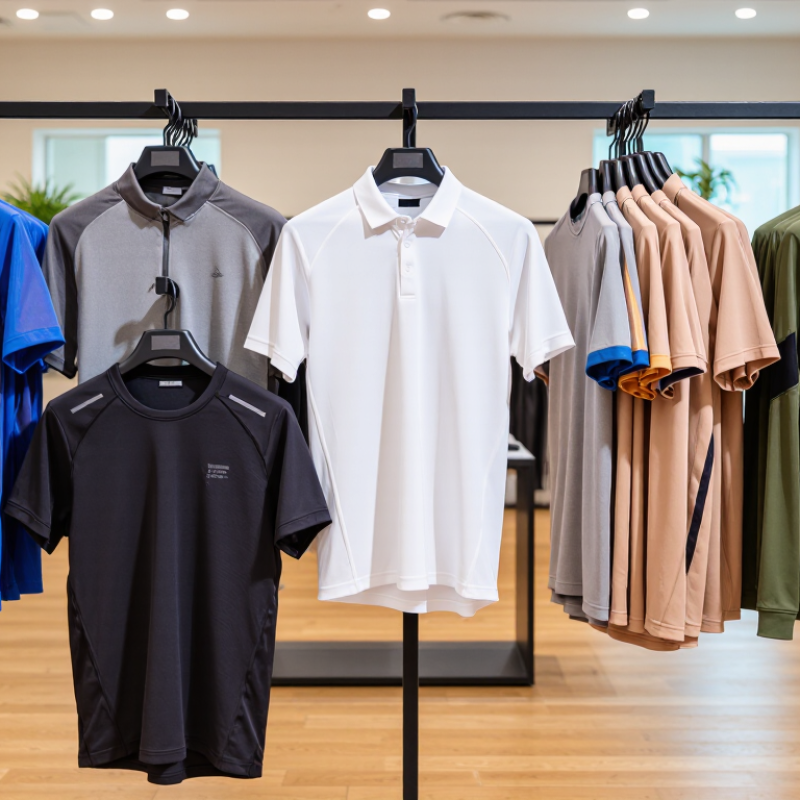
In the 2026 global market, a sport shirt means more than a polo with a bright color. It combines everyday comfort with movement-ready construction. Buyers usually assess stretch, breathability, drying speed, and shape recovery. A useful shirt should feel light during a morning commute, yet remain presentable in a casual meeting. Fabric selection matters. Polyester blends support quick drying, while cotton-rich fabrics often provide a softer hand feel. Recycled fibers may improve sourcing stories, but performance testing still matters more than marketing language.
A sport shirt also depends on practical details. Look for flat seams, secure buttons, reinforced side splits, and collars that keep their shape after washing. Fit is becoming more regional. A relaxed cut may suit warm markets, while layered styling may require extra room across the chest. Colorfastness and shrinkage should be checked through repeat washing, not a single sample. Small failures become expensive at scale. A shirt can look technical but feel uncomfortable.
Tips: Ask suppliers for fabric weight, stretch recovery, drying results, and wash-test records. Check samples in real conditions, such as cycling, travel, or outdoor work. Review sizing with local buyers. Do not assume one measurement chart fits every market. I still find that appearance receives too much attention. Hand feel and long-term wear deserve equal weight. Keep performance claims specific, measurable, and easy to verify.
For global buyers in 2026, classifying sport shirts starts with their primary use. Training shirts usually support repeated movement, gym sessions, and outdoor practice. They often use lightweight polyester blends, stretch panels, and quick-drying structures. Match shirts focus more on team identity, numbering, and a relaxed athletic fit. Running shirts are commonly lighter, with breathable zones under the arms and across the back. They may also include reflective details for low-light activity.
A second classification uses construction and fabric performance. Compression shirts fit closely and support muscle coverage, but sizing must be tested carefully. Polo-style sport shirts suit golf, travel, coaching, and casual team wear. They often need a stable collar, smooth plackets, and better shape retention.
Buyers should check fabric weight, colorfastness, seam strength, shrinkage, and wash performance. A sample test matters more than a polished product sheet.
Climate changes the decision. Mesh can improve airflow in humid regions, while brushed fabric feels warmer in cooler markets. Some shirts combine stretch fabric with reinforced shoulder seams. These hybrid types are practical, but they can cost more and complicate recycling.
The categories are useful, not perfect. A shirt may be both a training top and a travel garment. I recommend recording its main use, target climate, fit preference, and testing results before placing a large order. Small details often decide whether buyers reorder.
In 2026, global buyers are examining sport shirt fabrics beyond basic polyester.
Recycled polyester remains practical for moisture management, quick drying, and stable bulk production. Nylon adds a smoother hand feel and stronger abrasion resistance. Small amounts of elastane improve stretch during running, training, and court sports.
Merino blends are gaining attention for temperature control and odor resistance. They feel comfortable during long travel and outdoor activity. However, wool blends may require stricter care and higher sourcing costs.
Bio-based fibers also appear in development programs, but their performance varies by supplier. Buyers should request test reports instead of trusting attractive material claims.
Technology is becoming more specific.
Engineered mesh can place ventilation under the arms and across the back. Laser-cut perforations reduce weight, while seamless knitting can limit irritating side seams.
Some fabrics use mineral finishes or controlled chemical treatments for odor management and sun protection. These features need durability testing after repeated washing. A shirt that performs well once is not enough.
From factory sampling experience, fabric weight still matters.
Lightweight shirts dry quickly, but they may cling when saturated. Heavier fabrics feel more substantial, yet they can trap heat. This trade-off is easy to overlook.
Digital color matching and automated cutting may improve consistency, although small production runs can still show shade differences. Global buyers should compare fabric tests, fit samples, washing results, and actual wear feedback before confirming large orders.
For 2026, global buyers will not choose sport shirts from trend images alone. They will match each type with local movement, climate, and retail habits. Buyers in hot, humid markets often prefer lightweight performance T-shirts with mesh panels and quick-dry polyester. Long-sleeve UV shirts suit outdoor markets with strong sunlight. In cooler regions, training tops with brushed interiors may perform better. McKinsey’s Sporting Goods 2024 report forecasts roughly 7% annual industry growth through 2027, but demand will still differ sharply by region.
Market positioning also changes the ideal sport shirt. Buyers serving gyms may select fitted training shirts with stretch and odor control. Outdoor distributors often request loose silhouettes, reflective details, and higher UPF ratings. Lifestyle retailers may choose clean sport polos that work beyond exercise. Textile Exchange’s Materials Market Report 2024 states that polyester represented about 59% of global fiber production in 2023. That supports performance demand, yet sustainability concerns are rising. Recycled polyester sounds attractive, but buyers should verify test results, not trust labels too quickly. That mistake happens.
Tips: Request fabric weight, shrinkage, colorfastness, and moisture-management test data before ordering. Compare samples after washing. Check seam comfort under a backpack. Small details matter. Buyers should also test two fits, because one standard pattern rarely suits every market. A low-cost shirt may win the first quotation, but poor recovery can damage repeat sales. Regional feedback remains essential, and some assumptions will need correction.
For global buyers, 2026 sport shirt sourcing is not only about choosing popular styles. Performance T-shirts, lightweight training polos, and hybrid outdoor shirts are gaining attention. Yet the best type depends on the buyer’s market, climate, activity, and target price. A breathable shirt may sell well in humid regions, while brushed fabric suits cooler training seasons. Fabric composition matters. Polyester dries quickly, while blended fibers can improve comfort and shape retention. Request the exact fiber percentages, fabric weight, and construction details before approval.
Quality checks should include shrinkage, colorfastness, pilling, seam strength, and moisture management. Ask for laboratory test reports from qualified facilities. Sample washing is also essential. A shirt can look excellent on a fitting model but twist after three washes. That mistake is easy to underestimate.
Check size grading carefully, especially when selling across regions with different body measurements. Confirm labels, packaging, carton dimensions, minimum order quantities, production capacity, and realistic lead times. Reliable suppliers should explain these details clearly and provide traceable production information.
Tips: Compare at least three fabric options. Test samples in real movement, not just static fitting. Record measurements after washing. Request a pre-production sample before bulk cutting. Check whether colors match under natural and indoor light. Do not select the lowest quote automatically; hidden costs may appear through weak fabric, high defects, or delayed delivery. A small pilot order can reveal problems early, although it may reduce short-term efficiency.