2026 How to Launch Private Label Skin Care Products Successfully?
The beauty industry is evolving rapidly. One significant trend is the rise of private label skin care products. According to recent reports, the global private label skin care market is expected to grow by 12% annually over the next five years. This growth presents a golden opportunity for entrepreneurs.
Launching private label skin care products can be a game-changer. However, it is not without challenges. Many brands struggle with sourcing quality ingredients and establishing strong branding. Consumers are becoming more discerning. They demand transparency and efficacy from their skin care products. Hence, standing out in a crowded market is crucial.
As the industry expands, it's essential to reflect on common pitfalls. Some brands rush product development without proper testing. Others neglect to build a solid marketing strategy. These oversights can lead to disappointing sales and diminished consumer trust. Careful planning and execution are vital for success in this competitive landscape.
Understanding Private Label Skin Care: Definition and Benefits
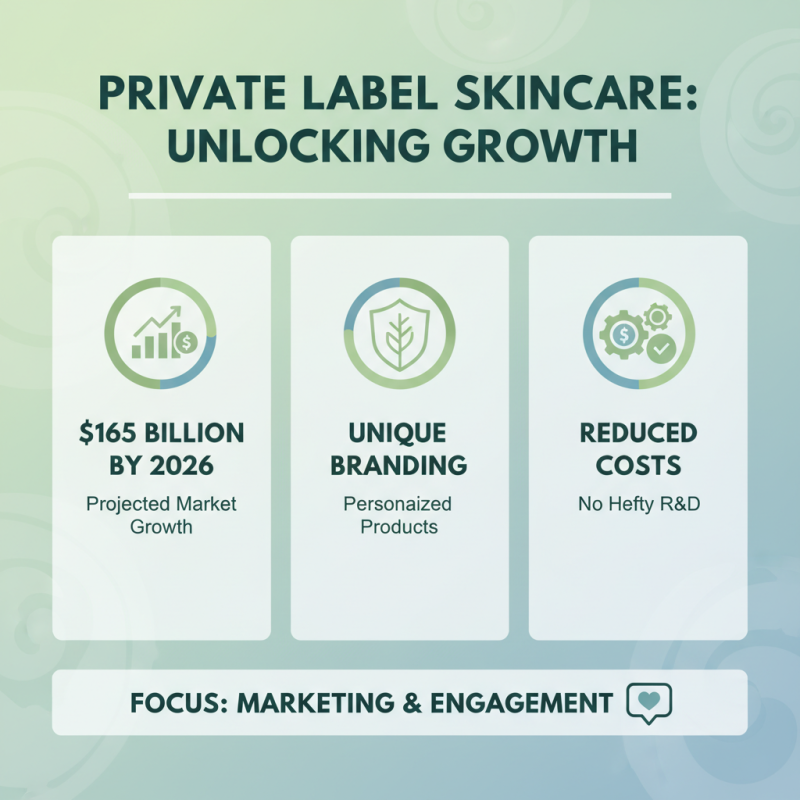
Private label skin care products offer unique advantages for entrepreneurs. The private label market is expected to reach $165 billion by 2026. This growth shows that consumers are shifting towards personalized and unique products. With private labeling, businesses can create distinct brands without hefty R&D costs. Partnering with manufacturers reduces overhead, allowing brands to focus on marketing and customer engagement.
Understanding the definition of private label is crucial. These products are made by one company and sold under another brand’s name. They often boast quality ingredients at competitive prices. Consumers appreciate having more choice. A recent survey found that 70% of shoppers are open to trying private label options. However, the market is competitive, and many products look alike. As an entrepreneur, attention to packaging and branding is essential. Even slight differences can make a substantial impact.
Recognizing the potential benefits is one thing, but execution is another. Many brands struggle with establishing a clear identity. Poor marketing strategies can lead to overlooked products in a crowded market. Research indicates that around 48% of new private label brands fail within their first year due to a lack of unique positioning. Aspiring entrepreneurs must reflect on their unique selling propositions. The right approach can lead to significant success in this growing industry.
Conducting Market Research for Private Label Skin Care Products
Conducting market research is crucial for the success of private label skin care products. Understanding consumer preferences and trends shapes product development. According to a report by Grand View Research, the global skin care market is projected to reach over $200 billion by 2026. This growth indicates a strong demand for personalized and natural products. It's vital to identify your target audience, their needs, and purchase behavior.
Tips: Use surveys and focus groups to gather insights. Consider demographic factors like age and income. Analyze competitors to find market gaps. Reports from Statista highlight that 54% of consumers prefer brands that align with their values. This statistic emphasizes the importance of understanding customer values when developing your product line.
Knowing where to source ingredients is also essential. Reliable suppliers can significantly impact your product quality. A study reveals that 70% of consumers are influenced by product ingredients. Therefore, transparency is key. However, sourcing challenges can arise. Ethical production and environmental impact should be examined.
Tips: Create a checklist for ingredient sourcing. Prioritize sustainability and ethical practices. Keep refining your product based on ongoing feedback. Aim to adapt continually in this ever-evolving market to stay relevant.
Selecting the Right Manufacturer for Your Skin Care Line
Selecting the right manufacturer for your skin care line is crucial. Your choice can make or break your brand. Begin by researching manufacturers with experience in private label skin care. Look for those who specialize in the ingredients you intend to use. It’s essential to align their expertise with your product vision.
Communication matters. A responsive and understanding manufacturer can enhance collaboration. Red flags include vague responses or a lack of transparency. Ask for samples before committing. This allows you to evaluate product quality. Sometimes, initial samples may not meet expectations. Be open to feedback and adjustments.
Additionally, consider the manufacturer’s production capacity. Can they scale with your growth? Planning for future demand is key. Balancing quality with cost can be challenging. Don’t get lured by low prices alone. Reflect on the long-term impact of your choices. Remember, a great partnership leads to success in the competitive skin care market.
2026 How to Launch Private Label Skin Care Products Successfully
This chart represents the various factors considered when selecting a manufacturer for private label skin care products. Each factor is rated on a scale from 1 to 10 based on its importance in the decision-making process.
Developing Unique Product Formulations and Packaging Strategies
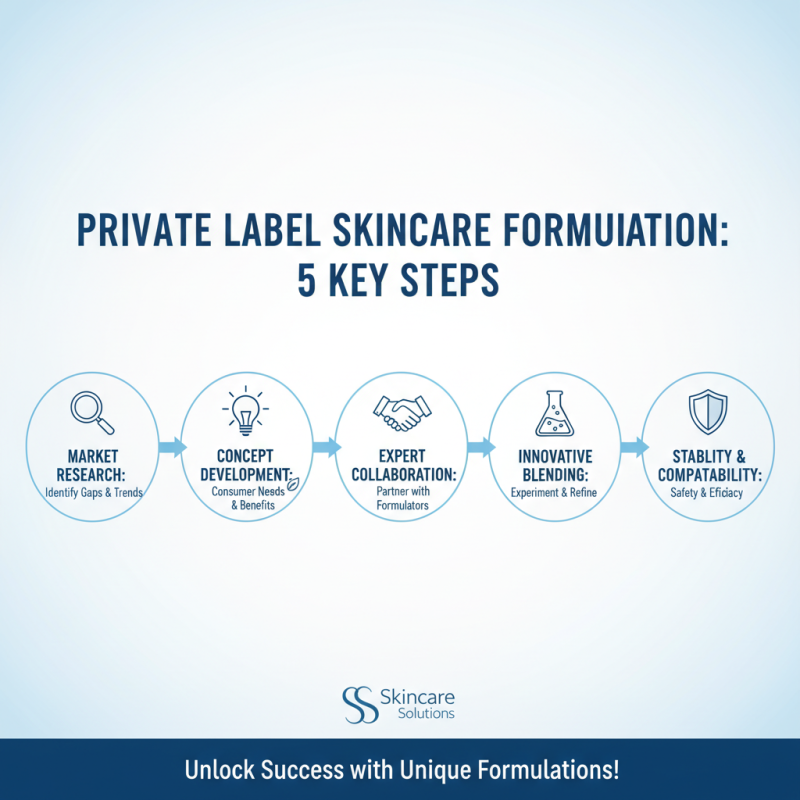
Developing unique product formulations is crucial for launching private label skin care products. Research the market for gaps and trends. Creating a product that genuinely meets consumer needs is essential. They want effective solutions, tailored ingredients, and standout benefits. Collaborate with experienced formulators. This partnership can lead to innovative blends. Experimentation is key, but don't overlook the importance of stability and skin compatibility. Sometimes products can be too complex or cause issues.
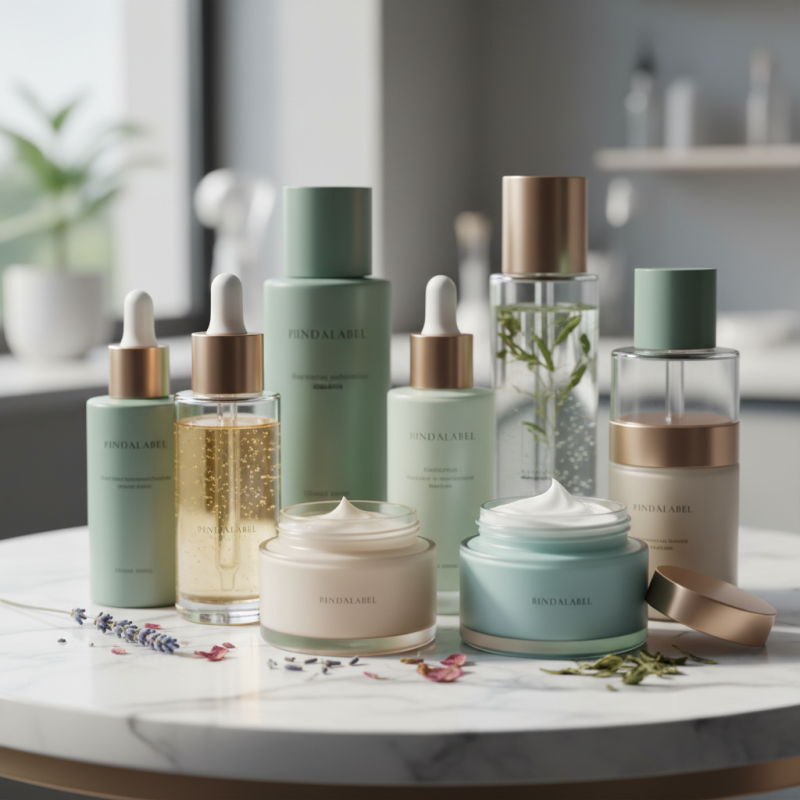
Packaging strategies are equally important. Eye-catching designs attract customers, while functional packaging enhances user experience. Think about sustainability. Many consumers prefer eco-friendly options. Invest in quality materials that communicate your brand values. However, be mindful of costs and logistics. Sometimes, the perfect design may be too intricate or expensive to produce. That’s a common challenge in the industry. Continue to gather feedback from potential users. It’s essential to evolve and adapt to their preferences.
Creating a Brand Identity and Marketing Plan for Launch Success
Creating a strong brand identity is crucial when launching private label skin care products. A study by Grand View Research indicates that the global skin care market is expected to reach $189.3 billion by 2025. This growth presents a significant opportunity for new brands to enter the market. However, standing out requires careful branding strategies. Establishing a clear voice and visual aesthetics influences customer perception.
A well-thought-out marketing plan is equally important. According to a report by Statista, 54% of consumers prefer brands that engage with them via social media. Building a presence on platforms like Instagram can help create buzz. Yet, many brands struggle with consistent messaging across channels. This inconsistency can dilute brand identity, making it harder to attract customers.
Crafting targeted campaigns that resonate with the audience can bridge this gap.
Research shows that 60% of consumers are influenced by reviews. This statistic emphasizes the need for genuine customer feedback in your marketing strategy. Encouraging early users to share honest opinions can enhance credibility. However, be prepared for criticism. Learning from negative feedback is vital for growth and improvement. Balancing brand aspirations with consumer expectations is key to a successful launch.