2025 Top White Label Skin Care Products Trends and Insights
The beauty industry is experiencing a significant transformation, and one of the most notable trends is the rise of white label skin care products. As consumers become increasingly discerning about their skin care choices, brands are leveraging the power of white label offerings to create customized solutions that cater to the diverse needs of their clientele. With 2025 on the horizon, it's essential to explore the emerging trends and insights that are shaping the future of these products in the market.

White label skin care products provide an avenue for brands to streamline their offerings while focusing on branding and marketing rather than product development. This strategy not only allows companies to enter the skin care market with lower overheads but also facilitates rapid response to consumer demand for innovative formulations. In this landscape, we will delve into the anticipated trends that will define the white label skin care sector, from sustainability practices to the integration of technology in product development. Understanding these trends is crucial for both established brands and new entrants aiming to capitalize on this lucrative market. As we look ahead, the evolution of white label skin care products promises to enrich consumer choices and redefine the standards of the beauty industry.
2025 White Label Skin Care Market Overview
The white label skin care market is poised for significant growth in 2025, driven by consumer demand for personalized and high-quality products.
With a shift in consumer behavior towards self-care and wellness, brands are increasingly looking to enter this lucrative sector by offering unique formulations that cater to specific skin types and concerns.
The flexibility of white label options allows companies to tap into trending ingredients, such as vegan and sustainably sourced components, without the overhead costs of research and development.
Moreover, the rise of e-commerce and social media influencers is reshaping the way white label skin care products are marketed and sold.
As more brands leverage these platforms, they are finding innovative ways to connect with their target audience, emphasizing transparency and ethical practices.
This not only fosters brand loyalty but also empowers consumers to make informed purchasing decisions.
As the market evolves, the emphasis on clean beauty and environmental sustainability will continue to drive the growth of white label skin care products, making it an exciting time for both established brands and new entrants in the industry.
Emerging Trends in White Label Skin Care Products
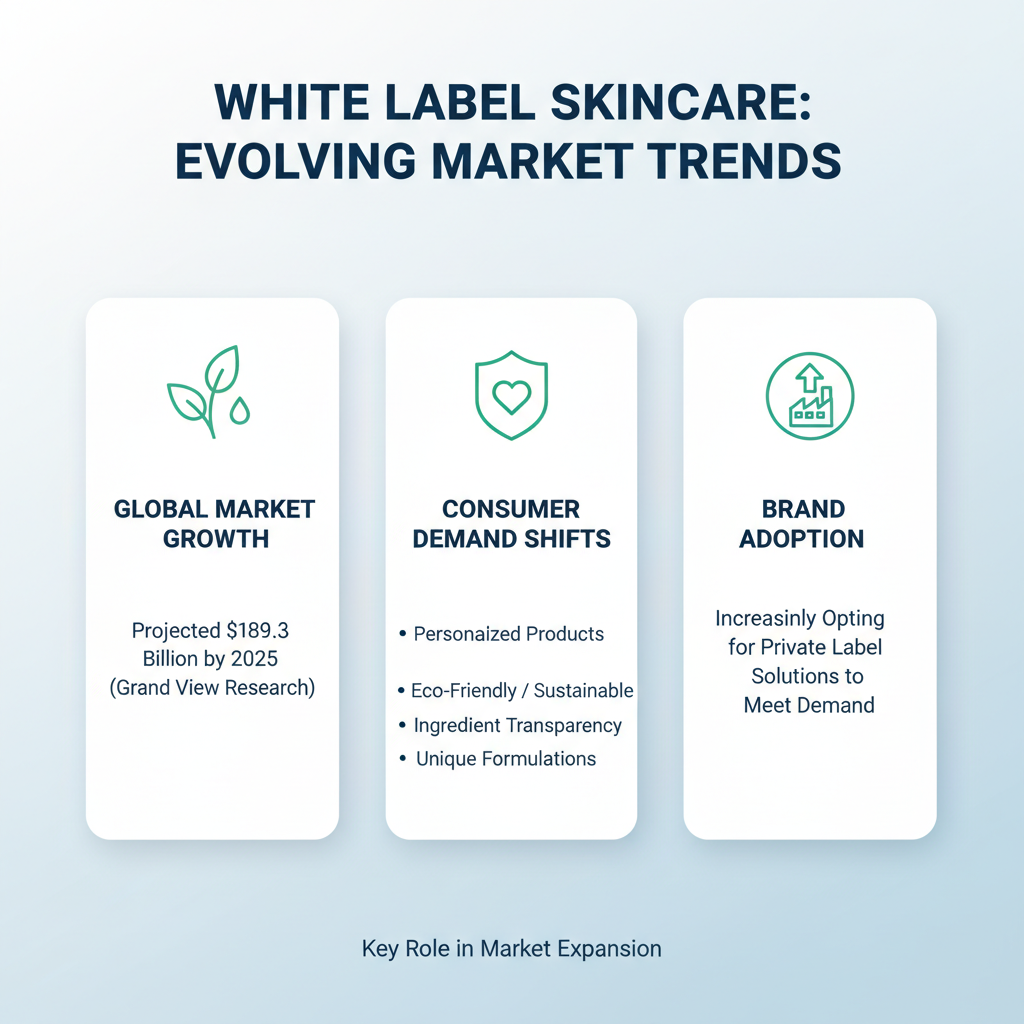
The white label skin care market is experiencing significant transformation as consumer preferences evolve. A recent report by Grand View Research indicates that the global skin care market is expected to reach $189.3 billion by 2025, with white label products playing a crucial role in this growth. Brands are increasingly opting for private label solutions to meet the rising demand for personalized and eco-friendly products. This trend is fueled by consumers seeking unique formulations and transparency in ingredient sourcing.
Additionally, the rise of e-commerce has made it easier for brands to launch white label skin care products, thereby reducing barriers to entry. According to a study by Statista, online sales in the beauty segment are projected to account for nearly 30% of the global market by 2025. This allows smaller businesses and niche brands to effectively compete with established names, offering tailored products that resonate with their target audience. As a result, we can expect to see a surge in innovative formulations, including vegan options and sustainable packaging, highlighting the industry's shift towards environmentally friendly practices.
Consumer Preferences Shaping Skin Care Products in 2025
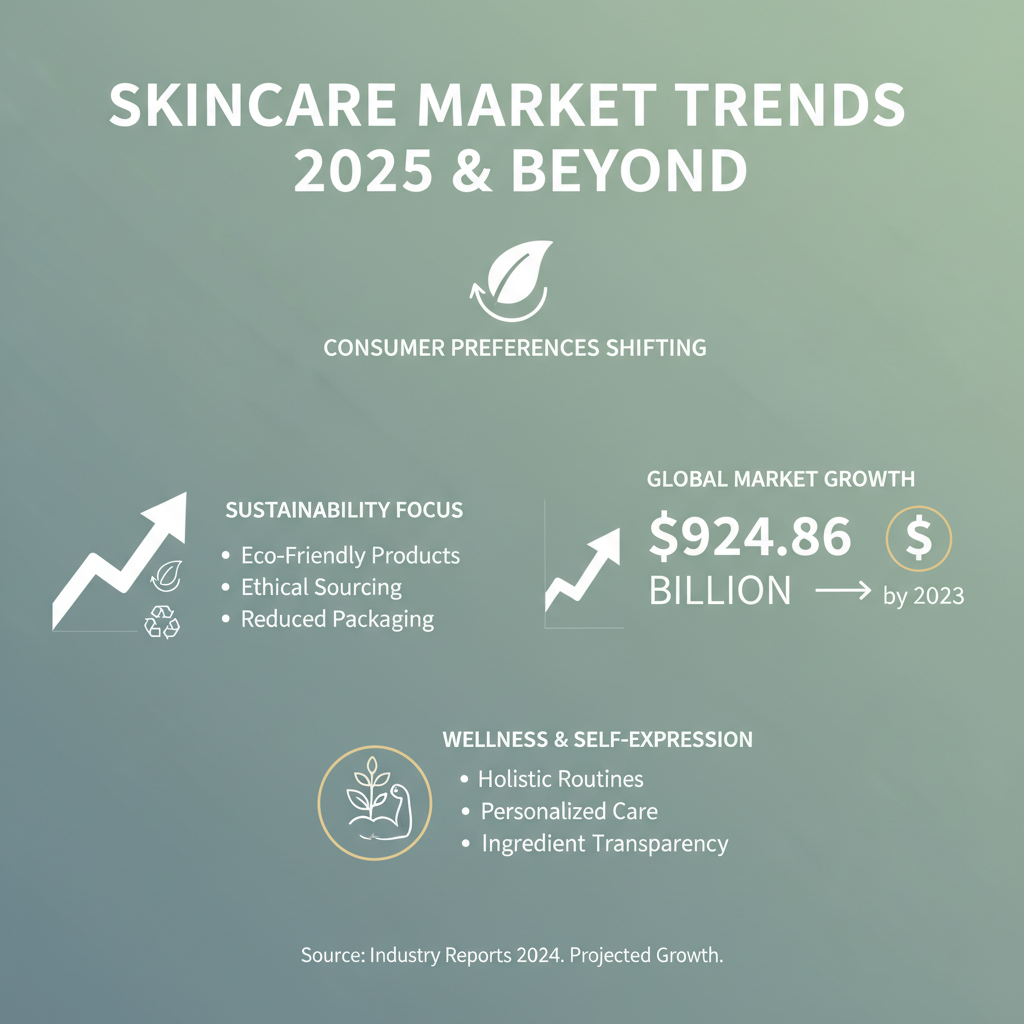
As we approach 2025, consumer preferences are driving significant changes in the skincare market. A notable trend is the increasing emphasis on sustainability, with consumers prioritizing eco-friendly products in their purchasing decisions. Reports indicate that the global skincare market is projected to grow substantially, with the beauty and personal care products market expected to reach approximately $924.86 billion by 2033, reflecting a growing interest in wellness and self-expression through skincare routines.
In the men's skincare segment, a remarkable shift is observed as it is projected to generate nearly $28 billion by 2031, doubling from $17.36 billion in 2024. This growth suggests that male consumers are becoming more engaged in skincare, seeking products that resonate with their personal grooming habits and lifestyle choices. The rise of e-commerce also plays a critical role, as it offers consumers greater access to a diverse range of products tailored to their specific needs.
Additionally, the demand for multi-use products is notable among consumers in the UK, highlighting a preference for convenience and efficiency in skincare routines. This shift underlines the importance of understanding consumer behavior and preferences as brands adapt their product offerings to meet evolving expectations in the dynamic skincare landscape.
Innovative Ingredients Driving White Label Skin Care Success
The skin care industry is rapidly evolving, with innovative ingredients leading the charge for white label products. As companies strive to differentiate themselves in a crowded market, the adoption of sustainable practices and cutting-edge technologies becomes essential. Recent developments in enzymatic extraction techniques exemplify how brands can create novel ingredients that appeal to eco-conscious consumers. These advancements not only enhance the effectiveness of products but also align with growing consumer demand for sustainability.
Furthermore, the rise of customized formulations reflects a significant trend within the white label skin care sector. By leveraging consumer insights and preferences, brands can develop bespoke solutions that meet specific skin care needs. This approach fosters a deeper connection between brands and consumers, leading to greater brand loyalty. As the industry continues to embrace innovation, companies that effectively incorporate unique ingredients and personalized offerings are poised to achieve remarkable success in the evolving beauty landscape.
Key Players and Distribution Channels in White Label Skin Care
The white label skin care market is witnessing significant growth, driven by key players leveraging diverse distribution channels. According to a report by MarketsandMarkets, the global skin care market is projected to reach $189.3 billion by 2025, with a considerable portion attributed to white label products. Major brands like MDSolarSciences and Cosmedix have increasingly used private-label strategies to capitalize on growing consumer demand for customized products.
 Distribution channels are evolving, with e-commerce emerging as a dominant platform. Research from Statista indicates that online sales of personal care products are expected to account for nearly 30% of the market by 2025. This shift is not only driven by convenience but also by consumers' growing preference for personalized skin care solutions available online. Traditional retail outlets remain relevant, especially for brands focusing on high-touch customer experiences, but the digital landscape is undeniably reshaping how consumers discover and purchase skin care.
Tips:
- Brands looking to enter the white label market should invest in a robust online presence to reach tech-savvy consumers effectively.
- Collaborating with influencers and utilizing targeted social media campaigns can significantly boost brand visibility and trust in a crowded marketplace.
- Emphasizing the customization of products can attract customers seeking personalized skin care solutions tailored to their unique needs.