2025 Guide: How to Start Your Own Private Label Makeup Line Successfully
Starting your own private label makeup line can be an exhilarating venture, offering a unique opportunity to channel creativity while tapping into the booming beauty industry. With the rising demand for personalized and bespoke products, private label makeup has become a popular choice for aspiring entrepreneurs who wish to establish their brand with minimal start-up costs. This guide aims to equip you with essential insights and actionable steps to successfully launch your own line of makeup products.
In the modern beauty landscape, consumers are increasingly drawn to brands that resonate with their personal values, preferences, and lifestyles. By creating a private label makeup line, you can curate a selection of products that not only reflect your vision but also cater to the specific needs of your target audience. Whether you are an artist, influencer, or simply a beauty enthusiast, the potential to create a viable business is at your fingertips. Throughout this guide, we will explore key strategies, from sourcing quality products and packaging design to effective marketing techniques, ensuring that you are well-prepared to make your mark in the competitive world of cosmetics.
Understanding the Private Label Makeup Market Trends for 2025
As the beauty industry continues to evolve, private label makeup lines are gaining significant traction among aspiring entrepreneurs. According to a report by Market Research Future, the global private label cosmetics market is expected to reach a valuation of USD 49.51 billion by 2025, growing at a compounded annual growth rate (CAGR) of 5.1%. This growth is driven by a rising demand for personalized beauty products that cater to specific consumer needs, as well as the increasing prevalence of e-commerce platforms that allow brands to reach wider audiences.
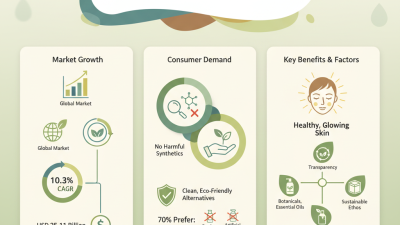
Understanding the trends shaping this market is crucial for success. In 2025, sustainability will be at the forefront of consumer preferences, with 70% of shoppers indicating they prefer brands that are environmentally friendly, as noted in Nielsen's Global Sustainability Report. Additionally, the shift towards inclusivity and diversity in product offerings is set to continue, with brands focusing on a wider array of shades and formulations to accommodate diverse skin tones and types.
By aligning with these trends, new entrants can create makeup lines that resonate with consumers and stand out in a competitive landscape.
Identifying Your Target Audience in the Beauty Industry
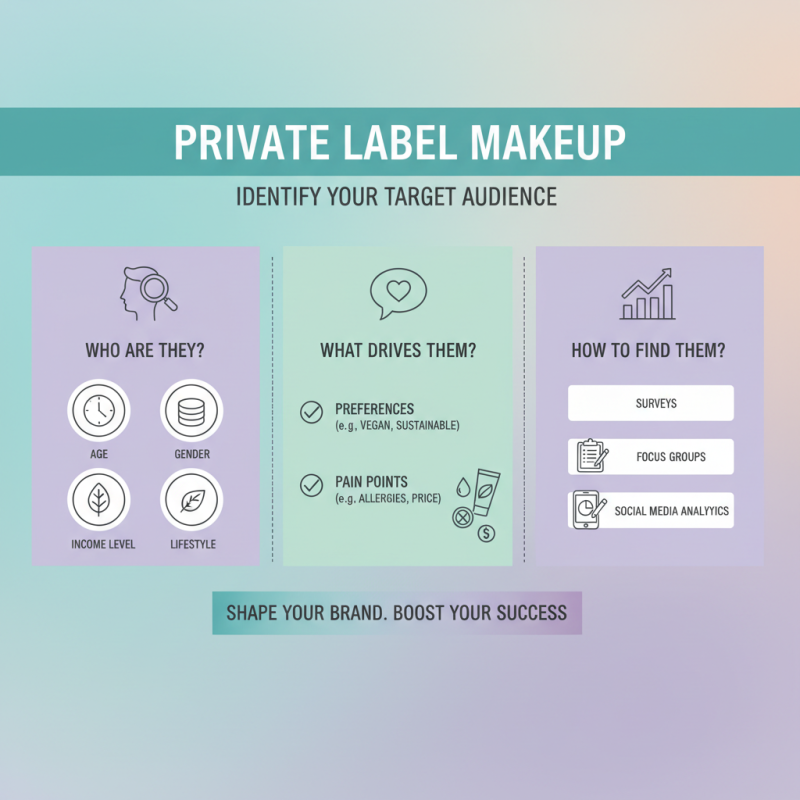
Identifying your target audience is a crucial first step when launching a private label makeup line. Understanding who your potential customers are will help shape your product offerings, marketing strategies, and overall brand identity. Consider demographics such as age, gender, income level, and lifestyle preferences. For example, a makeup line aimed at young, environmentally conscious consumers may prioritize vegan and sustainable ingredients while using vibrant, trendy packaging that appeals to this audience's aesthetic. Conducting market research through surveys, focus groups, and social media analytics can provide invaluable insights into the preferences and pain points of potential customers.
In addition to demographics, psychographics play a significant role in defining your target audience. This includes their values, interests, and buying behaviors. Are your customers looking for high-end luxurious products or budget-friendly options? Do they prefer bold, experimental colors or classic, timeless shades? Engaging directly with your audience through social media platforms not only fosters community but also allows you to collect feedback that can guide product development. Tailoring your marketing messages to resonate emotionally with your audience will enhance brand loyalty and drive sales, making it essential to continually refine your understanding of their needs and desires as the beauty industry evolves.
Navigating Regulations and Compliance for Cosmetic Products
Navigating the regulations and compliance landscape is crucial for anyone looking to start a private label makeup line. According to the Personal Care Products Council, the U.S. cosmetic industry generates over $93 billion annually, emphasizing the competitive nature of the market. Entrepreneurs must familiarize themselves with key regulatory frameworks such as the Federal Food, Drug, and Cosmetic Act (FFDCA) and the Fair Packaging and Labeling Act (FPLA). These regulations ensure that products are safe for consumers and accurately labeled, a pivotal aspect since misleading claims can result in significant legal repercussions.
In addition to federal guidelines, state regulations can vary considerably, making it essential for new beauty brands to conduct thorough research. Compliance with the Food and Drug Administration (FDA) requirements, including ingredient safety and proper product labeling, is non-negotiable. Interestingly, a report by Statista indicates that 70% of consumers check ingredient lists before purchasing cosmetic products, highlighting the importance of transparency and regulatory adherence. Furthermore, adhering to environmentally friendly practices not only complies with emerging regulations but also aligns with consumer values, as studies show that 60% of consumers prefer to buy from brands committed to sustainability. Thus, navigating these compliance intricacies is not just about legality; it’s a strategic business approach that can significantly bolster market presence.
Market Trends for Private Label Makeup Products (2021-2025)
Effective Marketing Strategies for Your Private Label Makeup Brand
Effective marketing strategies are crucial for the success of a private label makeup brand. According to a report by Grand View Research, the global cosmetic market is projected to reach $800 billion by 2025, indicating a booming opportunity for new entrants in the makeup sector. To capitalize on this growth, private label brands need to establish a strong online presence. Utilizing social media platforms like Instagram and TikTok can drastically enhance brand visibility. A study from Hootsuite reveals that 54% of consumers use social media to research products before making a purchase, making it an invaluable tool for marketers.
In addition to social media, leveraging influencer partnerships can significantly drive traffic and sales. According to Influencer Marketing Hub, businesses can earn an average of $5.78 for every dollar spent on influencer marketing. This strategy not only helps create authentic connections with potential customers but also builds trust in the brand. Furthermore, offering exclusive promotions and utilizing email marketing can encourage customer loyalty and repeat purchases. As the competition in the makeup industry intensifies, these effective marketing strategies will be essential for newly established private label brands to differentiate themselves and thrive in the marketplace.
2025 Guide: How to Start Your Own Private Label Makeup Line Successfully - Effective Marketing Strategies for Your Private Label Makeup Brand
| Strategy |
Description |
Expected Outcome |
| Influencer Partnerships |
Collaborate with beauty influencers to promote your makeup line through social media platforms. |
Increased brand visibility and credibility, leading to higher sales. |
| Social Media Marketing |
Utilize platforms like Instagram and TikTok for targeted advertising and engaging content creation. |
Enhanced customer engagement and brand loyalty. |
| Email Campaigns |
Develop personalized email lists for promotional offers and new product announcements. |
Higher conversion rates and customer retention. |
| SEO Optimization |
Optimize website and content for search engines to increase organic traffic. |
Improved visibility in search results, leading to more potential customers. |
| Customer Feedback Loop |
Implement a system for collecting and analyzing customer feedback to improve products. |
Better product-market fit and increased customer satisfaction. |